
Who Is Responsible for Sidewalk Repair in Oakland & Berkeley?
If you own a home in Oakland, Berkeley, or anywhere in the East Bay, here is the short answer: the sidewalk in front of your house is almost certainly your responsibility, not the city's. Under California law, the owner of the property that fronts a sidewalk is generally the one who has to keep it safe and in good repair. Cities layer their own programs and rules on top, and some of them share the cost with you, but the baseline responsibility sits with the property owner.
That surprises a lot of homeowners, because the sidewalk sits on public land. This guide explains the state law behind it, how Oakland and Berkeley each handle it, and what it means for you. If you already know your sidewalk needs work, call (510) 822-7170 or visit our contact page for a free on-site estimate.
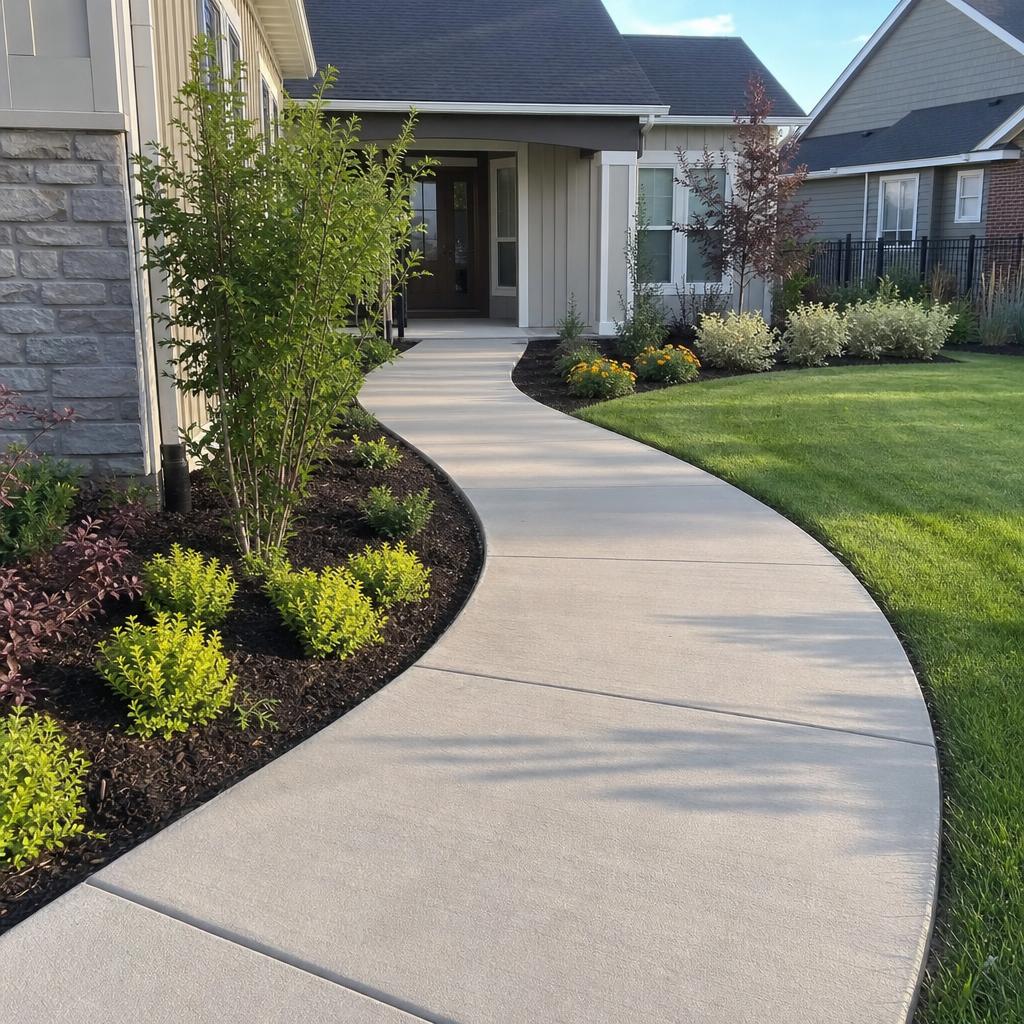
The California Baseline: Streets & Highways Code 5610
The rule that governs all of this is California Streets and Highways Code Section 5610. In plain language, it says that the owner of a lot fronting a public sidewalk must maintain that sidewalk so it does not endanger people or property. That responsibility applies to the walkway itself and, in most cases, to the parking strip (the planting area between the curb and the sidewalk) as well.
Two points catch homeowners off guard. First, the responsibility generally holds even when the damage was caused by a street tree in the public right-of-way. Under the state statute, the abutting owner is typically still on the hook for the repair. The main exception is damage created by the city or a third party acting under a permit. Second, this is a statewide default, so it applies across the East Bay: Oakland, Berkeley, Alameda, Piedmont, Emeryville, and beyond. What changes from city to city is whether the local government softens that burden with a cost-sharing program or adds its own requirements on top. So the honest answer to 'who is responsible' is: you are, by default, unless your city says otherwise.
Planning a concrete project in Alameda or the East Bay? Get a free, no-obligation on-site estimate and a written flat-rate price.
Oakland's Approach
Oakland follows the state baseline: property owners are responsible for repairing the sidewalk adjacent to their property. What makes Oakland notable is that it added a point-of-sale rule. Under an ordinance the city adopted in 2019, known, unsafe sidewalk conditions generally have to be repaired before a home sale closes, and sellers obtain a Sidewalk Certificate of Compliance through the OakDOT permit office. If the repair cannot be finished before the title transfers, the city has offered a provisional certificate that grants a short extension to complete the work.
The practical takeaway: in Oakland, a cracked or lifted sidewalk is not just a safety issue, it can become a transaction issue at closing. That is why we tell Oakland homeowners to deal with sidewalk problems on their own timeline rather than under the pressure of an escrow deadline. If you are planning to list your home, or you have already spotted a trip hazard out front, getting ahead of it is far less stressful. Call (510) 822-7170 and we can walk your frontage and give you a written flat-rate number.
Berkeley's Approach
Berkeley also starts from the state baseline: property owners are responsible for keeping the sidewalk next to their home in safe condition, including cracks, deterioration, and lifting. Where Berkeley differs is that it has long run a 50/50 cost-sharing program. Under it, a homeowner can request that the city perform qualifying sidewalk repairs, and the city then bills the owner for roughly half the cost.
Berkeley also handles tree-root damage in a way that recognizes the city's role. When a city-owned street tree is the cause, the city has historically covered a larger share of the repair, and it restricts homeowners from pruning or removing city trees on their own. One important caveat: the 50/50 program has typically run with a waitlist and a backlog, so it is not always the fastest route. Many Berkeley homeowners choose to hire a contractor directly when they want the work done on a set schedule, or when they need it finished for their own reasons. Either way, understanding the program helps you decide. Want to talk through the fastest path for your block? Call (510) 822-7170.
What This Means for You as a Homeowner
Boiled down, the state default puts sidewalk repair on the property owner, and each city decides whether to help. Here is how the two cities compare on the points homeowners ask about most.
| City | Who pays | Permit / notes |
|---|---|---|
| State default (S&H Code 5610) | Abutting property owner, generally including tree-root damage | Applies East Bay-wide unless a city program changes it |
| Oakland | Property owner | Point-of-sale rule: repair known unsafe conditions and obtain a Certificate of Compliance through OakDOT before a sale closes |
| Berkeley | Property owner, with a 50/50 city cost-share option | City may perform the repair and bill the owner for about half; city trees handled with a larger city share; expect a waitlist |
A few things follow from this. Trip-hazard liability is real: because you are responsible for the sidewalk's safe condition, an uneven slab that injures someone can become your problem, which is why lifted edges are worth fixing promptly. Tree roots do not shift responsibility away from you under state law, though city programs may share the cost when a city tree is involved. And point-of-sale and permit triggers mean the issue often surfaces at the worst time, right when you are trying to sell. Programs, cost-shares, and thresholds change, so always confirm the current terms with your city before you rely on them.
How to Tell If Your Sidewalk Needs Repair
You do not need to be an expert to spot a sidewalk that needs attention. Walk your frontage and look for these:
- Lifted or offset slabs. When one panel sits higher than its neighbor and creates a lip, that is a classic trip hazard, and the most common thing cities flag.
- Cracks that are widening. Hairline cracks are normal, but cracks wide enough to catch a heel or a stroller wheel are not.
- Root heave. A panel tented up over a tree root, common on East Bay blocks with mature street trees.
- Spalling and crumbling. Flaking, pitted surfaces that are breaking apart.
- Pooling water. A section that has settled and no longer drains.
In the East Bay, a lot of this traces back to our ground. Expansive clay in the Berkeley and Oakland hills swells and shrinks with the seasons and pries panels apart, while Bay fill on the flats settles unevenly. Add mature street-tree roots and you have the three most common causes of a failing sidewalk here.
How the Repair and Permit Process Works (and How We Handle It)
Sidewalk work usually sits in the public right-of-way, so it typically needs an encroachment or sidewalk permit from the city, plus an inspection once the concrete is poured. That is one more reason homeowners find the process confusing: it is not the same as pouring a patio in your backyard. The good news is that it is routine work for a contractor who does it in these cities regularly.
Here is how we handle it at Alameda Elite Concrete Solutions. We walk your frontage, tell you honestly what needs repair versus what can wait, and put it in a written flat-rate quote. We identify and pull the correct permit for your address, whether that is Oakland, Berkeley, or another East Bay city. Then we remove the failed panels and pour new sidewalk to standard, with a compacted sub-base, a 4,000 PSI mix, reinforcement, and proper joints and drainage, so it passes inspection and lasts. You can see the full scope on our concrete sidewalk installation page. And to be clear on the earlier point, city programs and cost-shares change over time, so we always confirm the current rules and any cost-sharing option with your city as part of the job. Ready to get a straight answer on your sidewalk? Call (510) 822-7170, Monday through Sunday, 7am to 6pm.
Questions, Answered
Is the city or the homeowner responsible for sidewalk repair in Oakland and Berkeley?
Under California Streets and Highways Code Section 5610, the property owner whose lot fronts the sidewalk is generally responsible for keeping it safe and repaired, and that applies in both Oakland and Berkeley. Cities add their own rules on top: Oakland has a point-of-sale repair requirement, and Berkeley offers a 50/50 cost-sharing option. Because programs change, confirm the current terms with your city.
Do I have to fix my sidewalk if a city street tree caused the damage?
Under state law, the abutting property owner is generally still responsible for the repair even when a tree in the public right-of-way caused the damage. That said, some cities share the cost when a city-owned tree is the cause. Berkeley, for example, has historically covered a larger share for city-tree damage. Check your city's current policy, since these terms can change.
Do I need a permit to repair a sidewalk in the East Bay?
Usually yes. Sidewalks sit in the public right-of-way, so repairs typically require an encroachment or sidewalk permit and an inspection after the pour. We identify the correct permit for your address, pull it, and build the work to standard so it passes inspection. Permit handling is included in our flat-rate quote so you do not have to deal with the city counter yourself.
Need Help in Alameda?
Alameda Elite Concrete Solutions provides fast, same-day concrete across Alameda, CA and the surrounding area — flat-rate pricing, licensed and insured, with 24/7 emergency service. Landed on this article from a search? Head back to our homepage to see everything we do, or reach out now.